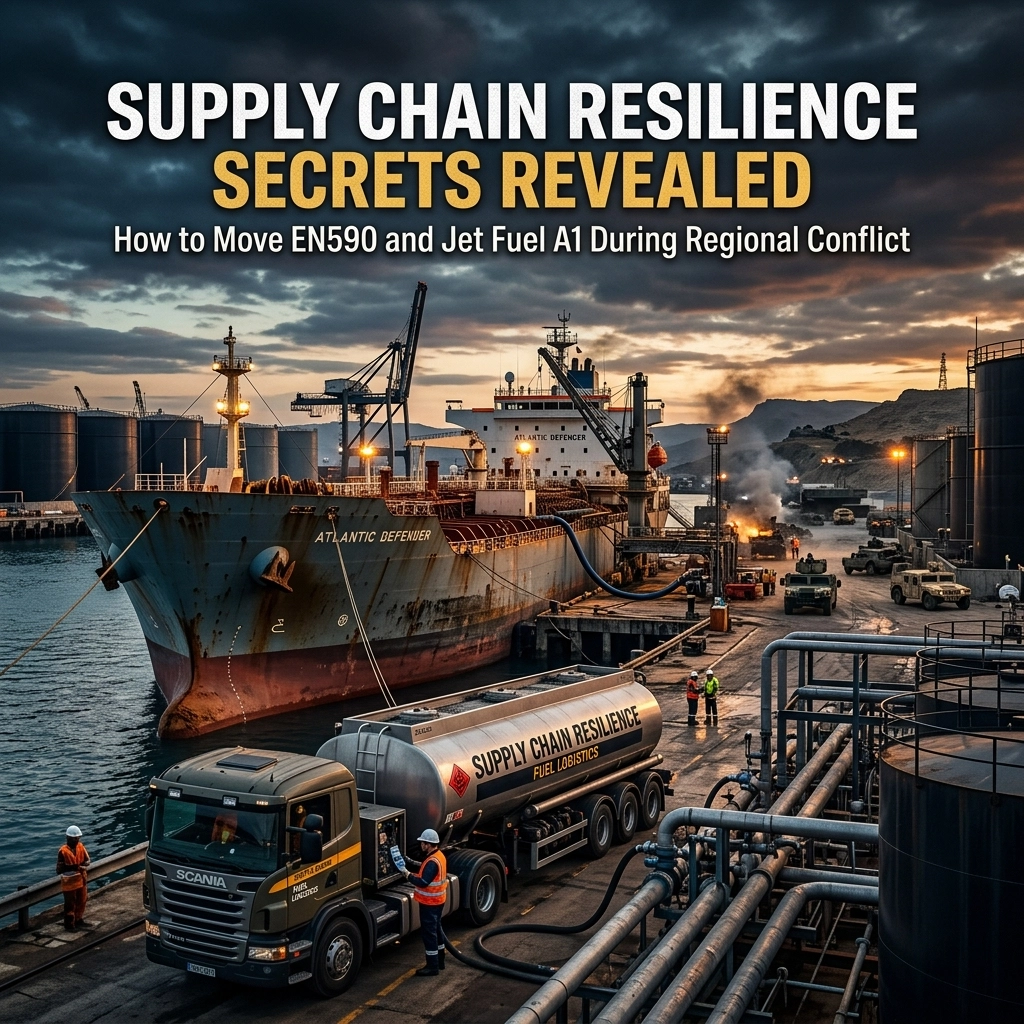
In today's climate, the global energy landscape is no longer defined by steady-state logistics, but by geopolitical volatility. As we move through 2026, the ongoing conflict in Iran has fundamentally reshaped how a fuel buyer must approach procurement. The effective closure of the Strait of Hormuz has triggered the largest oil and LNG disruption in modern history, removing roughly 16% of the world’s oil supply from traditional routes and driving Brent crude to sustain levels above $103/bbl.
For procurement officers and institutional buyers, the challenge isn't just the price: it's the certainty of delivery. When 20% of global flows are stranded or rerouted, the "paper fuel" market becomes flooded with noise, while physical barrels of EN590 diesel and Jet Fuel A1 become increasingly scarce. Maintaining energy resilience now requires more than just a contract; it requires a logistics-first strategy backed by a vetted global network.
The Middle Distillate Crunch: Why EN590 and Jet A1 are High-Risk
The 2026 conflict has hit the middle distillate segment: specifically EN590 10ppm and Jet Fuel A1: with disproportionate force. These products are the lifeblood of global trade and aviation, yet they are currently the most stressed parts of the barrel.
- Refining Imbalances: The global refining system is currently overproducing gasoline relative to diesel and jet fuel. When crude supply is constrained by regional instability, distillate cracks blow out first, leading to massive price premiums.
- Aviation Scarcity: In today's market, Jet Fuel A1 has become the most expensive part of the barrel. Major carriers in Europe have already faced tens of thousands of flight cancellations due to localized fuel shortages.
- Regional Basis Risk: For buyers in Europe and Asia, the dependence on Gulf-origin imports means that basis risk: the difference between local spot prices and the ICE Gasoil or Brent benchmark: is at an all-time high.
Securing energy resilience means moving away from opportunistic spot buying and moving toward structured offtake agreements with partners who have direct refinery-aligned workflows.

Navigating the Strait of Hormuz: Logistics and Rerouting Realities
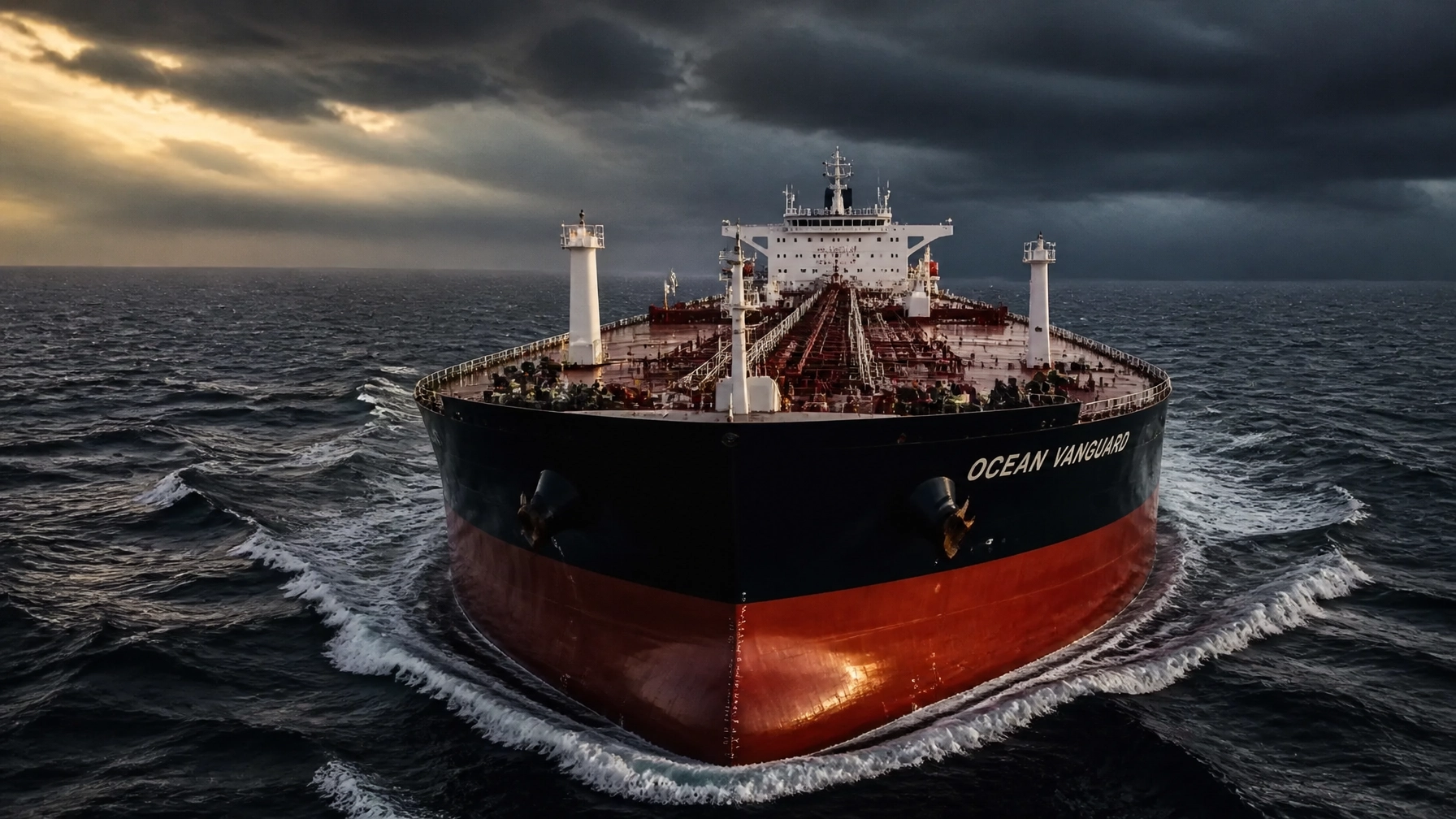
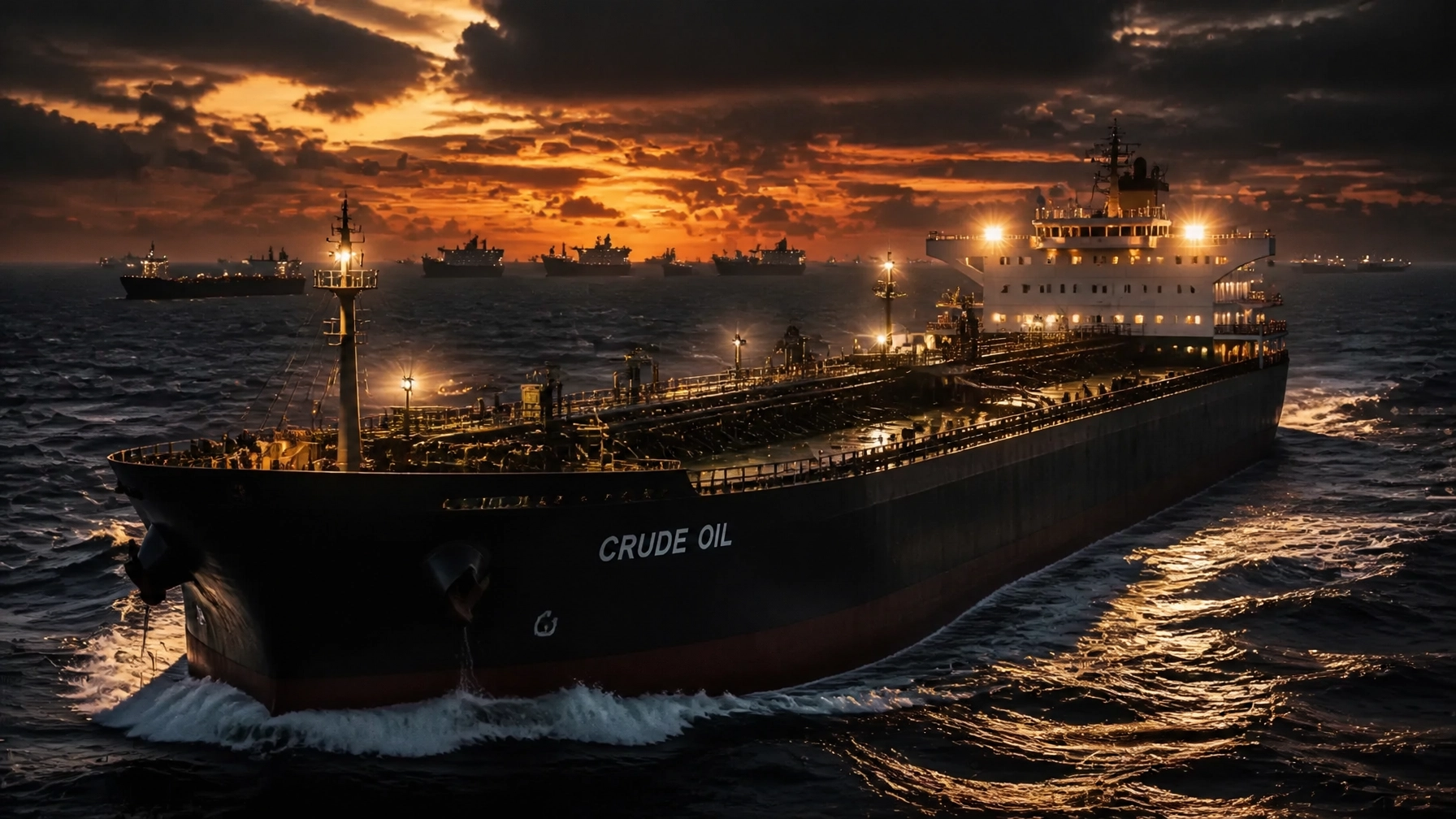
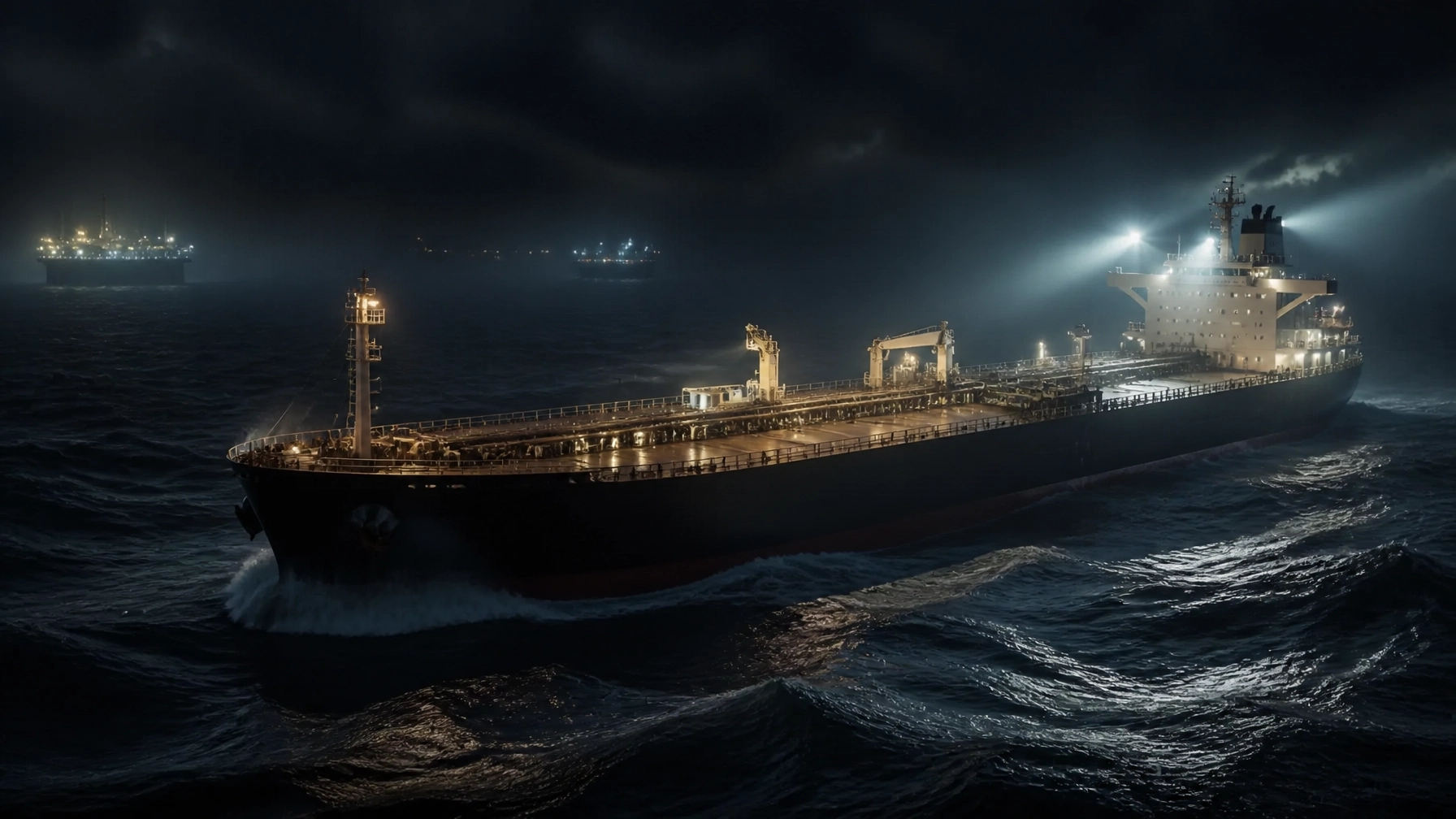
The effective closure of the Strait of Hormuz has forced a radical rerouting of global shipping. For a fuel buyer, this introduces three critical layers of risk that must be managed:
1. Extended Lead Times
Tankers rerouted around the Cape of Good Hope or through alternative corridors face an additional 30 to 45 days of transit. This lag means that even if a conflict de-escalates tomorrow, the physical supply gap in key trading hubs like Rotterdam, Singapore, and Houston will persist for at least one full tanker cycle.
2. The Insurance Gap
War-risk insurance has been withdrawn for many traditional shipping lanes. Without a partner who can navigate SGS-inspected supply chains and secure government-backed or private-tier insurance, your cargo remains "marooned" in high-risk zones.
3. Freight Volatility
As demand for "clean" tankers increases to move EN590 and Jet Fuel A1 from alternative sources (such as the US Gulf Coast or West African refineries), freight rates have become decouple from crude prices. You should be looking for CIF (Cost, Insurance, and Freight) terms where the seller absorbs these logistical headaches, rather than attempting to manage FOB (Free on Board) in contested waters without significant in-house maritime expertise.
Warning: Red Flags in High-Volatility Markets
When markets are tight, the "noise" in the industry increases. Desperate buyers often fall prey to sophisticated scams or "paper fuel" chains that have no connection to a physical refinery.
Watch for these red flags during the current Iran conflict:
- Unrealistic SCOs (Soft Corporate Offers): If the price for EN590 is significantly below the Platts benchmark despite the Hormuz closure, it is likely a fraud.
- Upfront Payment Demands: Never pay "activation fees," "allocation fees," or "logistics deposits" before a Proof of Product (POP) has been verified via SGS and bank-to-bank communication.
- Opaque Broker Chains: If you are more than one step away from the Title Holder or an Authorized Mandate, the deal will likely collapse under the weight of intermediary commissions.
- Sanctioned Origins: With the Iran conflict at its peak, "ghost tankers" carrying sanctioned product are common. Engaging with these leads to permanent blacklisting by top-tier financial institutions.

Strategy: Building Resilience Through Compliance
At Van Dyke Energy, we believe that the global fuel market doesn't suffer from a shortage of product, but a shortage of structure. To maintain resilience during the Iran conflict, we have implemented a compliance-first trading desk through our Fuel Buyer RFP platform.
Structured FOB and CIF Procedures
We eliminate the "broker pyramid" by connecting qualified buyers directly with verified sellers and refineries. Our procedures are refinery-aligned:
- ICPO (Irrevocable Corporate Purchase Order) submission.
- Standardized KYC/AML verification.
- Direct Title Holder engagement under NCNDA protections.
- SGS Inspection and bank-grade financial instruments (SBLC/DLC).
Leveraging a Vetted Network
By diversifying supply chains away from the immediate conflict zone and utilizing our deep connections in the US Gulf Coast and European storage hubs, we ensure that our clients can lift Jet Fuel A1 and EN590 even when traditional Middle Eastern flows are interrupted. Whether you require a 100,000 MT minimum lift of EN590 or 800,000 BBL of Jet A1, our network is built for execution-ready participants.
The Logistics of Certainty: Moving Refined Fuels Globally
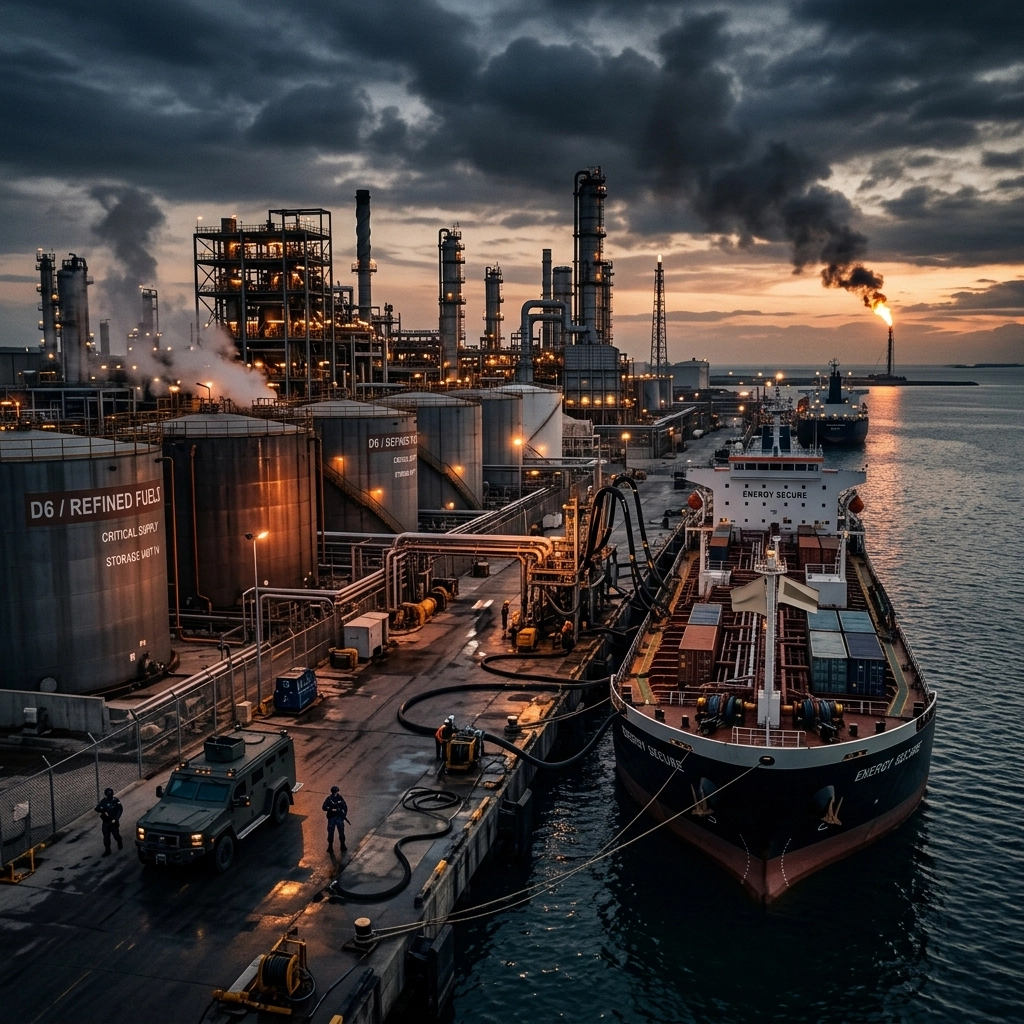
In a conflict-driven market, the "last mile" is often where the most significant failures occur. Once a cargo clears the primary chokepoints, it must still be moved through local infrastructure that is often strained by shifting demand.
Van Dyke Energy’s expertise extends beyond the sea. We understand that for an industrial or government client, energy resilience means having the fuel at the terminal, ready for truck or pipeline injection. Our ability to move Virgin Fuel D6 and EN590 worldwide is predicated on a logistics chain that accounts for war-risk rerouting and sudden port congestion.

Why "Proof of Product" (POP) is Your Best Defense
In 2026, many buyers are chasing "ghost allocations." Before moving any capital, you must confirm the physical existence of the fuel. Every deal we broker involves a transparent path to Proof of Product, often including:
- Storage Receipts: Verifying the fuel is in a shore tank.
- Notice of Readiness (NOR): Confirming the vessel is ready to load or discharge.
- SGS/Saybolt Reports: Verifying the specific gravity, flash point, and sulfur content (e.g., 10ppm for EN590).
Failure to insist on these documents in the early stages of negotiation is the fastest way to lose your position in a tightening market.
Conclusion: The Path Forward for Fuel Buyers
The Iran conflict of 2026 has permanently changed the risk profile of the energy sector. Relying on legacy relationships or unvetted brokers is no longer a viable strategy for maintaining operations. To survive and thrive in this high-volatility environment, fuel buyers must adopt a stance of extreme due diligence and logistical flexibility.
Energy resilience is not found in the lowest price; it is found in the most reliable supply chain. By focusing on compliance-first sourcing, direct refinery access, and rigorous SGS verification, you can shield your organization from the shocks of regional instability.
Van Dyke Energy remains committed to bringing speed, integrity, and clarity to every deal. We don't just find fuel; we secure your future.
Mark Van Dyke
Sales Director, VanDykeEnergy.com
Reliability Powered by Trust.







![[HERO] The Ultimate Guide to Energy Resilience: Securing D6 and Refined Fuels Amid the Iran Conflict](https://cdn.mar4blism.com/kWPv-imM7Gx.webp)