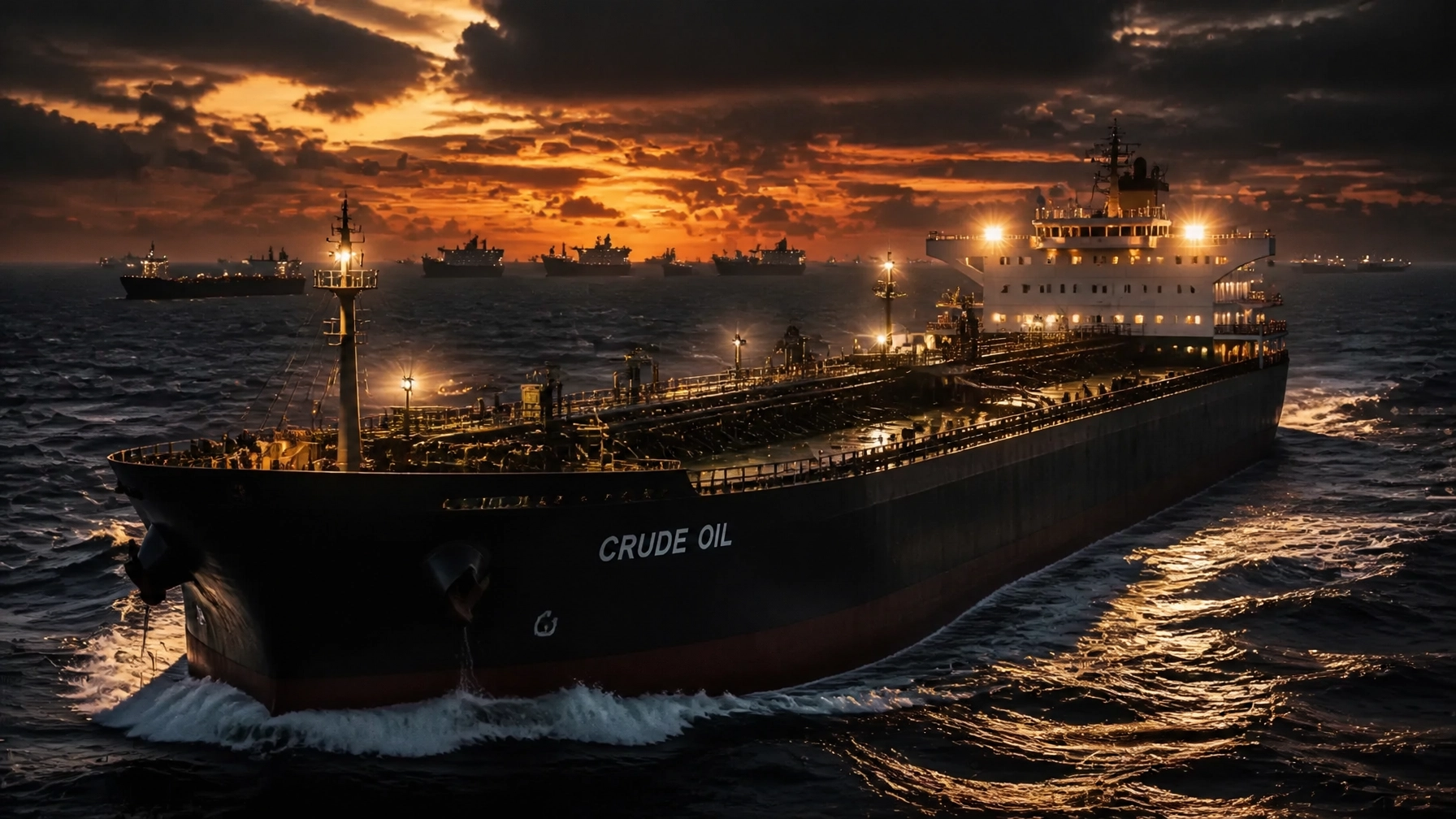
In today's climate, the global energy landscape is facing its most significant stress test in decades. As of May 2026, the ongoing conflict in Iran and the resulting near-standstill of traffic through the Strait of Hormuz have sent shockwaves through the middle-distillate markets. For any serious fuel buyer, the priority has shifted from price optimization to pure energy resilience and supply certainty.
With approximately 20-25% of the world’s oil and petroleum products normally transiting this critical chokepoint, the partial closure has effectively removed millions of barrels of EN590 diesel and Jet Fuel A1 from the immediate reach of European and Asian markets. At Van Dyke Energy, we are seeing a dramatic increase in "panic buying," yet the seasoned procurement teams know that panic is the enemy of compliance. Securing fuel in 2026 requires a sophisticated understanding of alternative logistics, non-sanctioned sourcing, and a vetted network that operates outside the immediate conflict zone.
The Hormuz Bottleneck: Why Middle Distillates are Most at Risk
The current disruption is not merely a "crude oil problem." While crude prices have hovered near $100/bbl, the real crisis lies in the refined product sector. Regional refineries in Bahrain, Qatar, and the UAE: traditional powerhouses for Jet Fuel A1 and EN590: have been forced to reduce utilization or halt exports entirely due to the maritime blockade.
This has created a physical shortage in the Atlantic and Pacific basins. Europe, which had already pivoted away from Russian supply, now finds its secondary source in the Middle East severed. Consequently, EN590 spot prices are experiencing unprecedented volatility. In this environment, the ability to pivot to refineries in the US Gulf Coast, Rotterdam, and Singapore is no longer a luxury; it is a necessity for operational survival.

Navigating the Scramble: Red Flags and Market Risks
When supply tightens, the number of "ghost" sellers and fraudulent mandates increases exponentially. We are seeing a surge in offers for "discounted" EN590 that supposedly originated from the Gulf but is now "stuck" in transit. In today's market, if a deal looks too good to be true, it is likely a compliance nightmare waiting to happen.
Critical Red Flags for Fuel Buyers in 2026:
- Unusually Deep Discounts: Real EN590 and Jet A1 are trading at a premium due to scarcity. Offers at $50-$100 below PLATTs are almost certainly fraudulent or involve sanctioned product.
- Pressure to Bypass Procedures: Scammers will use the "urgency of the conflict" to skip standard SGS inspections or Proof of Product (POP) verification. Never waive these requirements.
- Ambiguous Origin Documentation: With the Strait of Hormuz blocked, you must be hyper-vigilant about the chain of custody. Ensure you are not inadvertently purchasing fuel from sanctioned refineries, which can lead to severe legal and financial penalties.
- Requests for Upfront "Logistics Fees": Legitimate sellers and brokers like Van Dyke Energy operate on structured, performance-based procedures. Upfront payments for "shipping insurance" or "port fees" are a hallmark of procurement scams.
For a deeper dive into avoiding these pitfalls, refer to our guide on 7 mistakes you're making with EN590 diesel procurement.
The Van Dyke Strategy: Global Logistics and Vetted Networks
Securing a consistent supply of Jet Fuel A1 and EN590 during regional instability requires a global footprint. We maintain strategic relationships with refineries and mandates in non-conflict zones, ensuring that our clients' supply chains remain uninterrupted.
Our logistics expertise allows us to manage both FOB (Freight on Board) and CIF (Cost, Insurance, and Freight) transactions across major trading hubs including Houston, Fujairah, and Singapore. While Fujairah remains a key hub, its proximity to the conflict zone means we are increasingly rerouting deliveries through alternative corridors to mitigate risk.

Our 2026 Compliance Framework:
- Rigorous Vetting: Every seller in our network undergoes a multi-layered due diligence process to ensure they have the physical capacity to deliver.
- SGS/Intertek Verification: We mandate third-party inspections at every critical junction to verify quantity and quality (Q&Q).
- Banking Transparency: We work exclusively with Top 50 global banks to handle SBLCs (Standby Letters of Credit) and DLCs (Documentary Letters of Credit), providing financial security for both parties. Understanding why top global banks matter in fuel trade is essential for any modern buyer.
Securing Your Supply: FOB vs. CIF in Conflict Zones
The choice between FOB and CIF has never been more consequential. In a conflict-heavy environment, CIF (Cost, Insurance, and Freight) is often preferred by buyers who want the seller to assume the transit risk until the product reaches a safe port. However, with skyrocketing insurance premiums in the Middle East, FOB (Freight on Board) from stable hubs like Rotterdam or Houston is becoming the more cost-effective and reliable method.
By taking title to the product at the loading port, buyers gain more control over the shipping route and can choose carriers that are not on "high-risk" lists. Van Dyke Energy assists buyers in navigating these choices, ensuring that the Proof of Product (POP) is verified before any financial instruments are activated.

Building Long-Term Energy Resilience
Spot deals are useful for immediate needs, but the 2026 conflict proves that offtake agreements are the only way to ensure long-term stability. Buyers should be looking to secure 12-to-60-month contracts for EN590 and Jet A1 now, before the full weight of the supply shortage is felt across the industrial and aviation sectors.
Airlines and logistics firms that fail to secure their Jet Fuel A1 procurement today will find themselves at the mercy of a volatile spot market tomorrow. We recommend a "layered" approach: 70% offtake for baseline operations and 30% spot to capitalize on occasional market dips.
Direct Actions for Fuel Buyers
The window for "wait and see" has closed. If your organization relies on middle distillates, you should take the following steps immediately:
- Audit Your Supply Chain: Identify any dependencies on refineries located within the Gulf region or shipping routes passing through Hormuz.
- Diversify Your Port of Entry: If you usually take delivery in Asia, look at West Coast US or Singaporean allocations to bypass the Indian Ocean bottlenecks.
- Engage a Verified Broker: Stop chasing LinkedIn "mandates" with generic Gmail addresses. Work with a firm that has a proven track record of reliability.
- Prepare Your Financials: Ensure your banking facilities are ready to issue MT760 or MT700 instruments from a Tier 1 bank. In a tight market, sellers will prioritize buyers who can demonstrate immediate financial capability.

Conclusion: Reliability Powered by Trust
The Iran conflict of 2026 is a harsh reminder that the global fuel market is fragile. However, for those who move with speed, precision, and strict adherence to compliance, it is still possible to secure the EN590, Jet Fuel A1, and D6 required to keep the world moving. At Van Dyke Energy, we don't just find fuel; we build the logistical and financial bridges that allow transactions to close in even the most volatile conditions.
If you are a qualified fuel buyer ready to secure your next allocation, contact us today to discuss our available supply and procedures.
Mark Van Dyke
Sales Director, VanDykeEnergy.com
Reliability Powered by Trust.