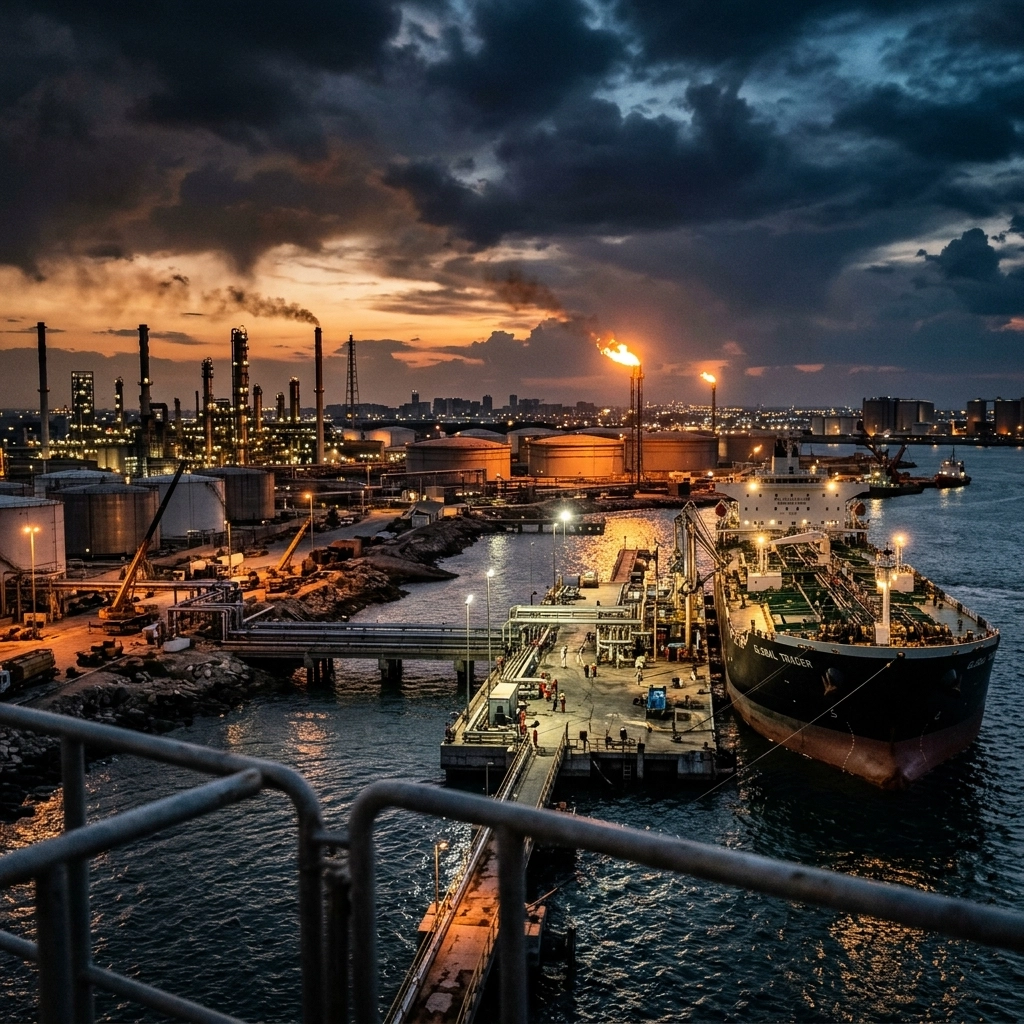
In the current geopolitical climate of May 2026, the global energy market is facing unprecedented volatility. As tensions surrounding Iran continue to escalate, the traditional flow of refined products: specifically EN590, Jet Fuel A1, and D6: is being tested. For a fuel buyer, navigating these waters requires more than just capital; it requires a sophisticated understanding of logistics, compliance, and risk mitigation.
At Van Dyke Energy, we are seeing a surge in inquiries from organizations looking to fortify their energy resilience. However, we are also seeing a recurring pattern of errors that can lead to delayed shipments, financial loss, or even legal repercussions.
Here are the seven most critical mistakes fuel buyers are making right now and how you can fix them to secure your supply chain.
1. Hesitating on Spot Opportunities in a Volatile Market
In today's climate, the "wait and see" approach is often a fatal strategy. With regional instability in the Middle East, the Brent and WTI benchmarks are susceptible to overnight spikes based on a single news cycle. Buyers often hesitate, hoping for a price correction that never comes, only to find themselves paying a premium or, worse, facing a complete lack of available allocation.
The Fix: Transition from a purely reactive mindset to a proactive procurement strategy. Establish pre-approved credit lines and have your SBLC (Standby Letter of Credit) templates ready for rapid deployment. When a vetted cargo of EN590 becomes available, the window for execution is measured in hours, not days.
2. Ignoring Sanction Compliance and Origin Risks
As the conflict in Iran intensifies, the risk of "tainted" fuel entering the secondary market increases. Some entities attempt to bypass sanctions by blending Iranian crude or refined products with non-sanctioned stock. For a global fuel buyer, the discovery of sanctioned molecules in your supply chain can lead to massive fines and being blacklisted by major financial institutions.
The Fix: Demand total transparency. Ensure your supplier provides a verifiable Certificate of Origin and perform deep-dive due diligence on the refinery source. Understanding the difference between sanctioned vs non-sanctioned refineries is the baseline requirement for legal compliance in 2026.

3. Underestimating the Logistics of Chokepoints
With tensions high near the Strait of Hormuz and the Red Sea, the physical movement of fuel is no longer a given. Many buyers secure a price but fail to secure the path. Increased insurance premiums (War Risk Surcharges) and the need for rerouting vessels around the Cape of Good Hope can add weeks to delivery times and millions to the final cost.
The Fix: Partner with a logistics expert who has a global reach. At Van Dyke Energy, we leverage a vetted network that prioritizes secure transit routes and manages the complexities of maritime insurance. Whether you are moving Jet Fuel A1 to Rotterdam or D6 to Houston, your logistics plan must account for "worst-case" regional disruptions.
4. Failing to Verify Proof of Product (POP) Properly
The more chaotic the market, the more "paper sellers" emerge. These are intermediaries who claim to have access to millions of barrels of EN590 but lack the actual allocation. Accepting a fraudulent or outdated Proof of Product is a mistake that costs time and damages your reputation with your end-users or banking partners.
The Fix: You must understand what every fuel buyer should know about POP. Never move forward without a fresh, bank-to-bank verification or a visual inspection (SGS/Saybolt) at a major terminal. In 2026, if the POP cannot be verified in real-time, the product does not exist.

5. Over-Reliance on a Single Geographic Source
Many buyers have historically relied on Middle Eastern refineries for their Jet Fuel A1 and EN590 needs due to competitive pricing. However, regional instability makes this "all eggs in one basket" strategy dangerous. A localized conflict can shut down your entire supply chain overnight.
The Fix: Diversify. While Middle Eastern supply is vital, you should maintain active relationships with refineries in the Americas, Europe, and non-conflicted Asian hubs. Building energy resilience means having the ability to pivot your procurement to different geographic zones at a moment's notice.
6. Working with Unvetted Intermediaries and "Mandates"
The fuel industry is notoriously crowded with "mandates" who have no direct link to the refinery or the titleholder. In times of Middle East tension, these intermediaries often flood the market with "too good to be true" deals. Engaging with unvetted brokers leads to circular negotiations that never close, wasting valuable time during a supply crunch.
The Fix: Work only with established firms that have a track record of performance. Look for companies that emphasize transparent fuel trading. Van Dyke Energy prides itself on being a direct bridge to supply, removing the noise of unnecessary intermediaries and focusing on direct, compliant transactions.

7. Neglecting the Importance of Top-Tier Banking
In a high-risk environment, the quality of your financial instruments is as important as the quality of the fuel. Sellers are increasingly wary of letters of credit from smaller, regional banks. If your bank is not recognized as a Top 50 global institution, your bid for a cargo of Jet Fuel A1 or EN590 may be ignored entirely in favor of a buyer with more "liquid" credibility.
The Fix: Ensure your financial backing is beyond reproach. Understanding why Top 50 global banks matter in fuel trade is essential for any serious buyer. High-tier banking ensures that your SBLC is accepted globally, allowing for smoother transactions even when market tensions are at their peak.
Building a Resilient Future with Van Dyke Energy
The current instability in the Middle East is a stark reminder that the energy market is fragile. For fuel buyers, the difference between a successful fiscal year and a logistical nightmare often comes down to the partners they choose.
Van Dyke Energy was built on the pillars of reliability and trust. Our ability to move refined fuels like EN590, Jet Fuel A1, and D6 worldwide: despite regional instability: is what sets us apart. We don't just find fuel; we manage the compliance, the logistics, and the risk that others ignore.
The Warning Signs are Clear:
- Red Flag: A supplier who cannot provide a recent SGS report.
- Red Flag: Any request for "upfront fees" before POP is verified.
- Red Flag: Vague shipping terms that don't account for current regional chokepoints.
By avoiding these seven common mistakes, you position your organization to thrive in a volatile market. Energy resilience is not a luxury; it is a necessity for survival in the modern era of global trade.
If you are looking to secure your next allocation of refined products with a partner that understands the complexities of the 2026 market, we invite you to explore our buyer procedures or reach out to our team directly.
Mark Van Dyke
Sales Director, VanDykeEnergy.com
Reliability Powered by Trust.