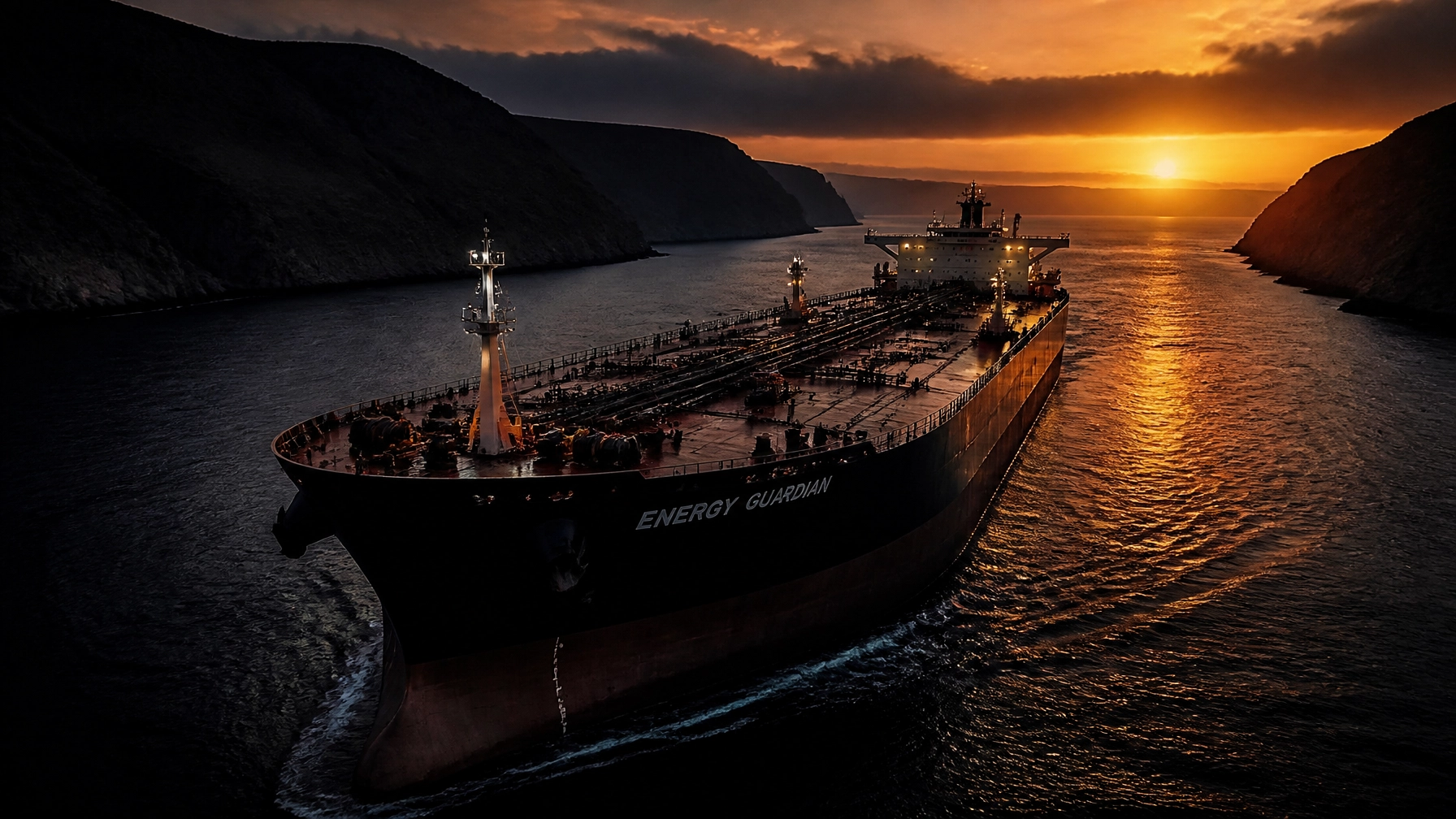
In the energy sector, volatility is the only constant. However, the events following the early 2026 tensions in the Strait of Hormuz have fundamentally altered the calculus for every global fuel buyer. What was once a localized geopolitical risk has matured into a structural bottleneck that dictates the price, availability, and movement of EN590 diesel and Jet Fuel A1.
As of June 2026, the active conflict has subsided into a fragile ceasefire, but the "war-risk premium" remains embedded in every CIF and FOB quote you receive. Navigating this landscape requires more than just a capital allocation strategy; it requires deep logistical intelligence and a vetted network that can bypass traditional chokepoints.
At Van Dyke Energy, we are seeing a shift in how institutional buyers approach procurement. Reliability is no longer assumed: it is engineered. Below are the five critical factors every fuel buyer must understand to maintain energy resilience in today's climate.
1. The Death of "Business as Usual" Pricing
The most immediate impact of the Iran-Hormuz instability is the permanent elevation of the Hormuz Premium. Even with the strait technically open, the introduction of "transit service fees" and the lingering threat of renewed disruption have decoupled local supply costs from global benchmarks.
Typically, a fuel buyer could rely on a narrow spread between Brent futures and the landed cost of refined products. In today’s climate, that spread has widened significantly. Insurance premiums for tankers transiting the Persian Gulf have surged, and these costs are being passed directly to the end buyer.
- Risk for Buyers: Relying on outdated price formulas or "floating" prices that don't account for surge-level insurance and security costs.
- Van Dyke Strategy: We leverage a diversified supplier base that includes non-Gulf origins, allowing our clients to hedge against regional price spikes by sourcing from the US Gulf Coast, Rotterdam, and Singapore.

2. Physical Supply Cracks in Jet Fuel A1
While diesel has remained relatively liquid due to diversified global refining, Jet Fuel A1 has faced a genuine physical shortage. The Gulf refineries that traditionally serve the European and Asian markets are the same ones most exposed to the Hormuz bottleneck.
We are seeing a trend where major airlines and air cargo operators are no longer just price-shopping; they are securing long-term offtake agreements to guarantee physical delivery. If your current supplier is sourcing exclusively from the Middle East, your supply chain is effectively a hostage to regional stability.
Key Insight: Many buyers are now looking toward US-based procurement strategies to bridge the gap. The technical shift from Jet A1 to Jet A (common in the US) is becoming a standard fallback for international aviation hubs facing shortages.
3. The EN590 Logistics Pivot: Long-Haul vs. Chokepoint
For EN590 diesel buyers, the challenge is less about finding the product and more about the logistical nightmare of moving it. With the Strait of Hormuz remaining a high-risk zone, many vessels are rerouting around the Cape of Good Hope.
This rerouting adds up to 14 days to transit times and increases freight costs by as much as 30%. For a fuel buyer, this means:
- Increased working capital requirements as product stays in transit longer.
- Higher evaporation and loss risks during longer sea voyages.
- Complexity in scheduling at discharge ports like Rotterdam or Fujairah.
Energy resilience in 2026 means having the ability to flip from a CIF (Cost, Insurance, and Freight) model to an FOB (Free on Board) model at stable hubs where the product is already in-tank. By utilizing SGS-verified storage in non-conflict zones, Van Dyke Energy ensures that our clients don't have to wait for a ship that may never clear the strait.

4. Compliance and Sanctions: The Hidden Minefield
In the wake of the 2026 conflict, the regulatory environment has tightened. Government-affiliated buyers and institutional investors are under immense pressure to ensure their fuel is not originating from sanctioned entities or being used to bypass international trade restrictions.
The risk of "blended" fuel: where sanctioned oil is mixed with compliant product: is at an all-time high. A fuel buyer who fails to perform rigorous due diligence on their Proof of Product (POP) and the refinery of origin risks not just financial loss, but severe legal repercussions.
Red Flags for Fuel Buyers:
- Discounted pricing more than 10% below market: In a high-risk environment, deep discounts usually signal sanctioned origin or a fraudulent seller.
- Vague refinery details: If the seller cannot provide a clear, verifiable chain of custody back to a non-sanctioned refinery, walk away.
- Pressure to bypass SGS inspection: Any attempt to limit independent verification is a definitive sign of non-compliance.
At Van Dyke Energy, our compliance-first approach involves a vetted network of mandates and refineries. We ensure every transaction meets strict POP protocols and undergoes rigorous SGS or Intertek inspection before any funds are moved.

5. Resilience Through Multi-Hub Sourcing
The Iran-Hormuz impact has proven that geographic concentration is a liability. The most successful fuel buyers today are those who have diversified their sourcing across multiple global hubs.
Instead of relying on a single refinery in the Middle East, smart procurement teams are spreading their requirements across:
- Rotterdam: For EN590 supply into the European market.
- Houston/US Gulf Coast: For Jet Fuel A and D6 refined fuels.
- Singapore/Fujairah: For bunkering and Asian distribution (with careful vetting of origin).
By maintaining relationships in these key hubs, Van Dyke Energy provides a buffer against regional instability. If one route is blocked, we have the infrastructure to source and deliver from another, ensuring your operations never run dry. This is the essence of transparent fuel trading.
Warning: Common Mistakes in a Crisis Market
When supply tightens, the number of "fake sellers" and "unauthorized mandates" explodes. We see it in every cycle of instability. To protect your capital, avoid these common EN590 procurement mistakes:
- Engaging with "joker" brokers who lack direct refinery access.
- Paying upfront fees before receiving verifiable proof of product.
- Ignoring the "Seller’s Procedures": if they don't follow standard industry protocols (ICPO, LOI, etc.), they aren't legitimate.

The Path Forward: Partnering for Certainty
The Strait of Hormuz will remain a focal point of global energy anxiety for the foreseeable future. However, for the informed fuel buyer, this volatility creates an opportunity to build a more robust, diversified, and compliant supply chain.
Van Dyke Energy specializes in this exact type of market complexity. We don't just find fuel; we secure it. Our expertise in Jet Fuel A1, EN590, and D6 fuels, combined with our global network of verified sellers, allows us to deliver results where others see only risk.
Whether you are seeking a spot transaction to cover a shortfall or a long-term offtake agreement to stabilize your 2027-2028 projections, our team is ready to execute with speed and integrity.
Final Takeaways for the Expert Buyer:
- Prioritize physical availability over marginal price gains.
- Verify every document through independent third parties like SGS.
- Diversify your geographical exposure to mitigate chokepoint risks.
- Partner with a mandate that understands the intersection of logistics and compliance.
In the high-stakes world of international energy, trust is the only currency that doesn't fluctuate. At Van Dyke Energy, we provide that trust through transparency and execution certainty.
Contact our sales desk today to discuss your procurement needs and how we can secure your energy future.
Explore our Buyer Services | View our Seller Network
Mark Van Dyke
Sales Director, VanDykeEnergy.com
Reliability Powered by Trust.