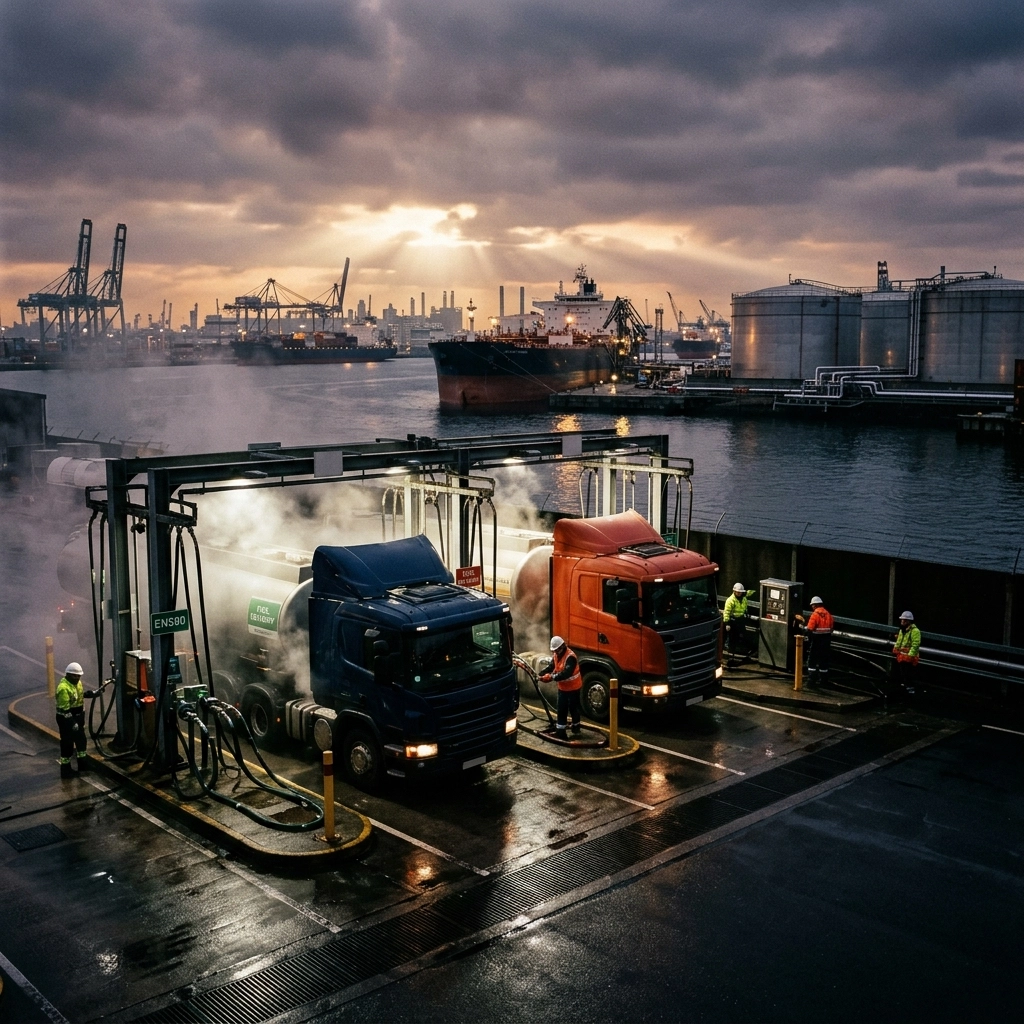
In the current landscape of May 2026, the global energy market is facing one of its most complex challenges in decades. The ongoing conflict in Iran has sent ripples through the primary arteries of oil and gas trade, forcing every serious fuel buyer to re-evaluate their procurement strategies. When the Strait of Hormuz experiences volatility, the cost of inaction: or worse, the cost of a failed delivery: can be catastrophic for industrial operations and aviation fleets.
At Van Dyke Energy, we recognize that energy resilience is no longer a luxury; it is a fundamental requirement for survival. Ensuring the reliable delivery of EN590 and Jet Fuel A1 requires more than just a contract; it requires a sophisticated logistics engine and a vetted network that can pivot faster than the geopolitical winds.
The 2026 Geopolitical Shift: Navigating the Iran Conflict
The instability in Iran has fundamentally altered traditional shipping lanes and supply hierarchies. For the average fuel buyer, this means increased premiums, heightened insurance costs, and a significant risk of supply chain breakage. However, for those with a diversified and strategically positioned network, these disruptions are manageable.
In today's climate, relying on a single source or a single geographic region for refined products is a recipe for disaster. The conflict has highlighted the fragility of the Middle Eastern supply chain, yet demand for EN590 10ppm diesel and Jet Fuel A1 continues to climb as global travel and transport sectors expand. To maintain continuity, Van Dyke Energy leverages a "multi-hub" approach, utilizing alternative refineries and storage facilities in regions less affected by the immediate conflict, such as the North Sea and Southeast Asian corridors.

Geographic Redundancy: Moving Beyond Vulnerable Corridors
To ensure that your operations never run dry, your supply chain must be built on geographic redundancy. This means having the ability to source and move EN590, Jet Fuel A1, and D6 from multiple, non-conflicting points of origin.
- Rotterdam and Northern Europe: While European prices may carry a premium, the stability of the logistics infrastructure provides a necessary safety net when Middle Eastern routes are compromised.
- Jurong and Singapore Hubs: As a primary gateway for Asian trade, Singapore remains a critical node for sourcing Jet Fuel A1. By maintaining active ties in these hubs, we can redirect flow based on real-time risk assessments.
- US-Based Logistics: Utilizing our domestic expertise and the role of US brokers in reshaping procurement, we bridge the gap between Western financial standards and Eastern production.
Van Dyke Energy’s logistics expertise allows us to move these critical refined fuels worldwide, despite regional instability. We don't just track ships; we track the geopolitical shifts that determine where those ships can safely dock.
Compliance and Vetting: Your First Line of Defense
In times of war and regional conflict, "gray market" fuel often floods the industry. Desperate buyers are frequently lured by low prices into purchasing products from sanctioned vs non-sanctioned refineries. The risks here are twofold: physical product quality and severe legal repercussions.
Every fuel buyer should understand that a bargain price during a regional conflict is often a red flag for sanctioned material or fraudulent documentation. At Van Dyke Energy, our vetted network is subject to rigorous, ongoing due diligence. We ensure that every drop of EN590 or Jet Fuel A1 we move is fully compliant with international trade laws and meets the strict 10ppm sulfur requirements for diesel or the rigorous ASTM D1655 standards for jet fuel.
Understanding the difference between legitimate and high-risk sources is vital. We encourage all our partners to review the nuances of sanctioned vs non-sanctioned refineries to protect their corporate integrity.

The Role of Logistics Expertise in Mission-Critical Delivery
Moving fuel is easy when the world is at peace. It becomes an art form when regions are in conflict. Van Dyke Energy specializes in the mission-critical delivery of EN590 and Jet Fuel A1 through a combination of:
- Verified Tanker Networks: We work exclusively with ship owners who maintain the highest safety ratings and have experience navigating high-risk zones.
- Buffer Storage: By securing tank space in neutral, stable ports, we can hold inventory to insulate our clients from sudden price spikes or temporary route closures.
- Real-time Monitoring: Our logistics team utilizes advanced tracking and AI-driven market intelligence to anticipate delays before they happen.
Whether it is a bulk shipment of D6 for power generation or a steady flow of Jet Fuel A1 for an international airline, our ability to execute remains unwavering. This is why we have focused so heavily on transparent fuel trading, ensuring our clients know exactly where their product is at every stage of the journey.
Avoiding Common Pitfalls in Volatile Markets
When markets are tight and tensions are high, mistakes are common. We often see buyers falling into the same traps during periods of regional instability. These include:
- Accepting Incomplete Proof of Product (POP): In a rush to secure fuel, buyers may overlook documentation gaps. Always ensure you have a firm grasp on what every fuel buyer should know about POP.
- Ignoring Financial Security: Using top-tier banks and robust SBLCs (Standby Letters of Credit) is non-negotiable. If your transaction isn't backed by a Top 50 global bank, your risk profile increases exponentially.
- Direct-to-Refinery Myths: Many buyers believe they can bypass all logistics experts and go "direct" during a conflict. In reality, refineries often prioritize established partners who handle the complex logistics and compliance burdens that the refinery itself wants to avoid.
For a deeper dive into common errors, our guide on 7 mistakes you're making with EN590 diesel procurement is a mandatory read for any procurement officer in 2026.

Building Long-Term Energy Resilience
Reliability is not a one-time event; it is a consistent practice. In the face of the Iran conflict and future regional instabilities, energy resilience is built on the foundation of trust and expert execution. Van Dyke Energy isn't just a supplier; we are a strategic partner that absorbs the complexity of the global market so you can focus on your core operations.
We have built our reputation on being able to move refined fuels like EN590, Jet Fuel A1, and D6 worldwide when others cannot. Our network is vetted, our logistics are proven, and our commitment to compliance is absolute.
If you are looking to secure your supply chain against the current geopolitical backdrop, it is time to move beyond standard procurement and embrace a higher standard of energy logistics.

Authoritative Conclusion
The 2026 energy market demands a level of sophistication that few can provide. Between the ongoing tensions in the Middle East and the evolving regulatory landscape, the only way to ensure reliable delivery is to partner with a firm that understands both the molecules in the pipe and the politics on the ground. Van Dyke Energy remains committed to redefining global oil and gas trade through transparency and unwavering reliability.
Are you ready to secure your next allocation? Whether you are a government entity or a private industrial giant, our doors are open to those who value integrity and performance.
Mark Van Dyke
Sales Director, VanDykeEnergy.com
Reliability Powered by Trust.