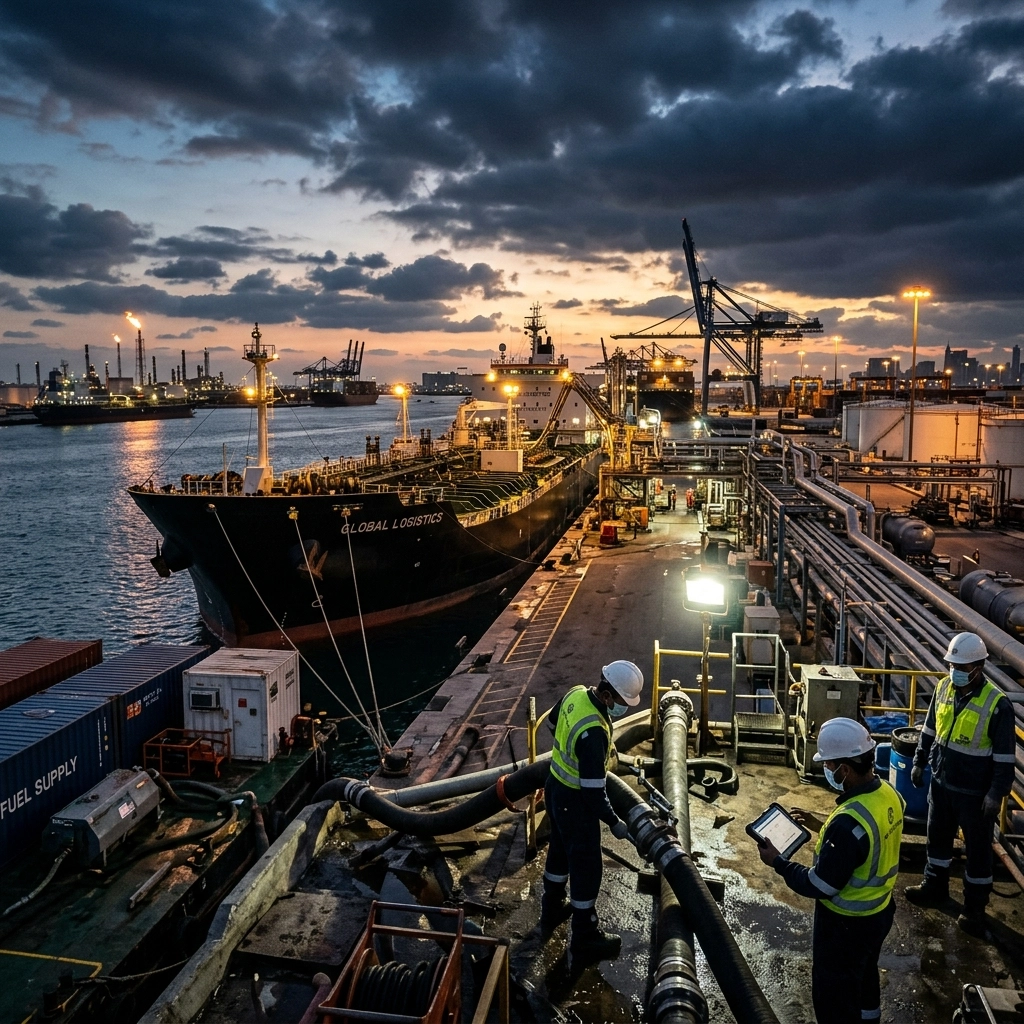
In the current geopolitical landscape of May 2026, the energy sector is facing one of its most complex challenges in decades. The ongoing conflict involving Iran has not only introduced extreme price volatility but has fundamentally altered the traditional logic of global fuel logistics. For the modern fuel buyer, navigating this environment requires more than just capital; it requires a sophisticated understanding of energy resilience and a logistics partner capable of bypassing regional instability.
At Van Dyke Energy, we recognize that "business as usual" is no longer an option. As the Strait of Hormuz remains a focal point of tension, the ability to secure and move refined products like EN590, Jet Fuel A1, and D6 depends on a vetted network and a proactive approach to risk management.
The Geopolitical Ripple Effect: Why This Crisis is Different
Unlike previous disruptions, the 2026 volatility in the Middle East is characterized by its duration and the sophistication of the threats to maritime trade. When Iran is at the center of regional friction, the impact on global energy markets is immediate and multifaceted. We are seeing a significant shift in how refined fuels are priced and transported, with insurance premiums for tankers in the Persian Gulf reaching record highs.
For companies relying on steady streams of Jet Fuel A1 or ultra-low sulfur diesel (EN590), these disruptions can lead to grounded fleets or halted industrial operations. The primary challenge is no longer just the cost of the molecule: it is the certainty of delivery.

Strategy 1: Diversification Beyond Traditional Corridors
To maintain a reliable fuel supply chain, buyers must move away from over-reliance on Middle Eastern transit hubs. In today's climate, Van Dyke Energy emphasizes the importance of sourcing from non-sanctioned refineries located in more stable jurisdictions or utilizing alternative trade routes that circumvent the most volatile chokepoints.
- Explore Alternative Hubs: We are increasingly leveraging storage and blending facilities in Singapore, Rotterdam, and the United States to ensure our clients have access to product even if Middle Eastern exports are throttled.
- Route Optimization: Our logistics team actively monitors naval activity and maritime advisories to reroute shipments in real-time. This agility is critical for maintaining delivery schedules for high-demand products like D6 Virgin Fuel Oil.
For a deeper look at how international tensions are reshaping trade, read our analysis on how the US-China trade war is reshaping oil and gas.
Strategy 2: Rigorous Compliance and Vetting
In times of conflict, the market often sees an influx of "distressed" cargo or offers that seem too good to be true. One of the biggest risks to a fuel buyer during Middle East volatility is inadvertently engaging with sanctioned entities. The legal and financial repercussions of a compliance failure can be catastrophic.
At Van Dyke Energy, our compliance-first culture is the backbone of our operations. We utilize a multi-layered vetting process to ensure every drop of fuel we move: whether it’s EN590 or Jet Fuel A1: is fully compliant with international law and free from sanction risks.

Red Flags to Watch For:
- Obfuscated Origin Documents: Be wary of sellers who cannot provide clear, verifiable Proof of Product (POP).
- Unusual Payment Structures: Requests for non-standard payment methods often signal a desire to bypass banking transparency.
- Below-Market Pricing: If the price is significantly lower than the current Platts or Argus index despite the volatility, the risk of fraud or sanctioned origin is extremely high.
Learn more about protecting your procurement process in our guide on what every fuel buyer should know about POP.
Strategy 3: Enhancing Logistics through Technology
Reliability in 2026 is powered by data. To maintain energy resilience, we integrate real-time tracking and predictive analytics into our supply chain management. This allows us to anticipate delays before they happen and communicate transparently with our buyers.
Whether we are moving Jet Fuel A1 via tanker or coordinating the terrestrial delivery of EN590, our network of vetted carriers is held to the highest standards of performance. Van Dyke Energy specializes in the complex logistics required to move refined fuels worldwide, even when traditional shipping lanes are under threat.

Product Resilience: Maintaining Standards for EN590 and Jet Fuel A1
Volatility doesn't just affect availability; it can also affect quality. When supply chains are stressed, there is a temptation for some suppliers to cut corners on specifications.
EN590 (Ultra-Low Sulfur Diesel)
As the backbone of global logistics and heavy industry, EN590 must meet strict environmental and performance standards. We ensure that our supply chain maintains the integrity of the product from the refinery to the final destination, regardless of the regional turmoil. For more information on avoiding common pitfalls, see our article on 7 mistakes you’re making with EN590 diesel procurement.
Jet Fuel A1
The aviation industry has zero tolerance for supply interruptions or off-spec fuel. Our expertise in Jet Fuel A1 procurement involves working with top-tier global banks and verified refineries to ensure that supply is not just available, but of the highest quality. Understanding the role of financial instruments is key here; you can read about why top 50 global banks matter in fuel trade.
The Importance of a Vetted Network
In a volatile market, your network is your net worth. Van Dyke Energy has spent years building a robust, vetted network of sellers and buyers. This ecosystem is built on transparency and mutual trust: qualities that become even more valuable when regional instability threatens the global energy flow.
We don't just facilitate trades; we manage the entire lifecycle of the fuel procurement process. From verifying the sanctioned vs non-sanctioned status of refineries to managing the final logistics of delivery, we act as the shield between our clients and market chaos.

Forward-Looking Advice for Fuel Buyers
As we look toward the remainder of 2026, the situation in Iran and the broader Middle East remains fluid. To maintain a reliable fuel supply chain, buyers should adopt a proactive stance:
- Audit Your Current Suppliers: Ensure they have the logistics depth to handle sudden route changes.
- Prioritize Transparency: Demand full visibility into the supply chain. In today's market, transparent fuel trading matters more than ever.
- Secure Long-Term Partnerships: Spot market buying is increasingly risky during volatility. Establishing long-term relationships with proven partners like Van Dyke Energy provides a layer of security that the open market cannot match.
Conclusion: Reliability Powered by Trust
Maintaining a fuel supply chain during periods of Middle East volatility is not about luck; it is about meticulous planning, rigorous compliance, and world-class logistics. At Van Dyke Energy, we leverage our global footprint and industry expertise to ensure that your operations never miss a beat, no matter the geopolitical climate.
If you are a qualified fuel buyer looking for a partner who understands the nuances of EN590, Jet Fuel A1, and D6 in a complex world, we invite you to connect with our team. Let us help you build the energy resilience your business demands.
Mark Van Dyke
Sales Director, VanDykeEnergy.com
Reliability Powered by Trust.