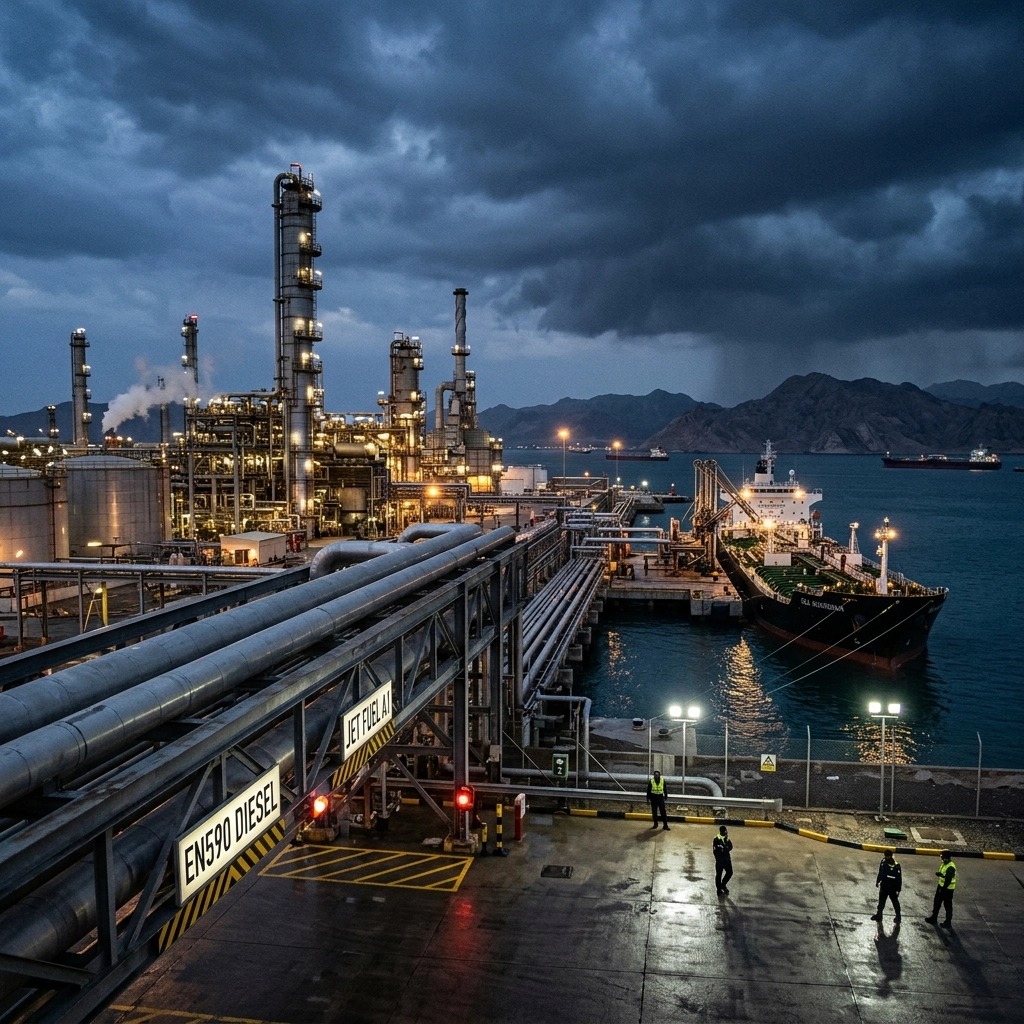
In the current geopolitical landscape of April 2026, the global energy market is grappling with a volatility not seen in decades. The escalation of conflict in the Middle East, specifically involving Iran and its impact on the Strait of Hormuz, has sent shockwaves through the supply chains of EN590 diesel and Jet Fuel A1. For the serious fuel buyer, resilience is no longer a buzzword: it is a survival mandate.
As of late April, while there are tentative signs of the Strait reopening following the mid-April announcements, the structural damage to global logistics and the premium on "safe" fuel remain high. Van Dyke Energy continues to navigate these turbulent waters by leveraging a vetted network and multi-corridor logistics strategy that bypasses high-risk zones without sacrificing compliance or quality.
The Geopolitical Bottleneck: Understanding the Impact
The Iran conflict, which reached a fever pitch in February 2026, resulted in a 70–80% collapse in tanker traffic through the Persian Gulf. Historically, nearly 20% of the world’s oil supply flows through this narrow waterway. When this artery is constricted, the immediate result is a massive spike in war-risk insurance premiums and a scramble for alternative sourcing.
For buyers of refined products, the impact has been asymmetric. Jet Fuel A1 saw a staggering 103% price increase in March alone, with premiums reflecting the scarcity of supply reaching European and North American hubs. Meanwhile, the demand for EN590 10ppm diesel has surged as industrial sectors seek to stockpile reserves against further escalations.

Strategic Sourcing of Jet Fuel A1 and EN590
In today’s climate, relying on a single geographic source is a strategic failure. Energy resilience requires a diversified portfolio of supply. Van Dyke Energy has focused on establishing robust supply lines through the Mediterranean-Atlantic corridors and Baltic export channels, ensuring that our clients are not held hostage by regional instability in the Middle East.
Alternative Refining Hubs
With approximately 25-30% of Europe’s jet fuel traditionally tied to the Persian Gulf, the shift toward Kazakhstan and Central Asian refineries, as well as African refining hubs, has become essential. These regions offer a buffer against the volatility of the Gulf, though they require sophisticated logistics to manage the inland and maritime transit effectively.
- EN590 10ppm: We are seeing increased movement through non-traditional pipelines and rail-to-port configurations in Eastern Europe.
- Jet Fuel A1: Procurement has shifted toward "safe-water" origins, where the risk of seizure or missile attack is negated, even if it means slightly longer lead times via the Cape of Good Hope.
Navigating Logistics Amid Regional Instability
Logistics expertise is the true differentiator in a conflict-driven market. Moving fuel like D6 Virgin Fuel Oil or EN590 through contested waters requires more than just a vessel; it requires real-time intelligence and deep relationships with port authorities.
When the Strait of Hormuz is compromised, the cost of freight doesn't just go up: it becomes a matter of findable capacity. Many smaller brokers disappear when the risk profile changes, leaving buyers stranded. At Van Dyke Energy, our logistics framework is built on redundancy. If one route closes, we have pre-vetted alternatives ready to activate. This is the core of Van Dyke Energy's mission to redefine global oil and gas.

Compliance and Verification: The Shield Against Market Opportunism
Conflict breeds chaos, and chaos attracts bad actors. We have observed a significant uptick in "too good to be true" offers for Jet Fuel A1 and EN590 diesel purportedly sitting in storage tanks ready for immediate lift. In 99% of these cases, these are scams designed to exploit the desperation created by the Iran conflict.
Every fuel buyer must prioritize rigorous verification protocols. This includes:
- Vetting the Refinery: Distinguishing between sanctioned and non-sanctioned refineries is critical for legal and financial safety.
- Proof of Product (POP): You must understand what every fuel buyer should know about POP. Without a verifiable, fresh SGS report and tank storage receipt (TSR), the product does not exist.
- Vessel Tracking: Real-time monitoring of maritime assets to ensure the fuel is not originating from restricted zones or being transshipped illegally.

Red Flags for Fuel Buyers in 2026
As an authoritative partner in the energy space, we advise our clients to watch for these specific red flags during the ongoing regional instability:
- Pressure to use unverified escrow: Never move funds outside of established Top 50 Global Banks. The use of SBLCs (Standby Letters of Credit) is the industry standard for a reason.
- Anomalous Pricing: If the price is significantly below the Platts average during a supply crunch, the product is either non-existent or sanctioned.
- Lack of Past Performance: Avoid entities that cannot demonstrate a track record of moving physical product during periods of high volatility.
Financial Resilience: SBLCs and Bank Protections
In a high-interest, high-risk environment, the financial structure of the trade is just as important as the fuel itself. Van Dyke Energy works exclusively with Tier-1 financial institutions to ensure that every transaction is secured. By utilizing SBLCs (MT760) and DLCs (MT700), we provide a layer of protection that ensures payment only occurs upon successful delivery and inspection (FOB or CIF).
In the context of the Iran conflict, banks are increasingly cautious. Working with a company that understands transparent fuel trading is the only way to ensure your letters of credit are actually accepted by the selling refinery's bank.

The Path Forward: Securing Your 2026/2027 Supply
The reopening of the Strait of Hormuz in mid-April is a positive sign, but it is not a return to normalcy. The "risk premium" on Middle Eastern oil is likely to persist through 2027. Forward-thinking organizations are now moving toward a Fuel Buyer RFP model to consolidate their demand and attract the most reliable suppliers.
If you are currently managing a fleet or an airline, your procurement strategy should include:
- Long-term SPA (Sales and Purchase Agreements) with price caps to hedge against the next flare-up.
- Diverse Port Access: Ensuring your logistics partner has the ability to discharge at multiple international hubs.
- Advanced AI Analytics: Utilizing the latest AI developments in the oil and gas industry to predict price movements and optimize shipping routes.
Conclusion: Reliability Powered by Trust
The Iran conflict has proven that energy resilience is not a luxury: it is a necessity for global commerce. Whether you are securing Jet Fuel A1 for an aviation hub or EN590 for heavy industry, the reliability of your supply chain depends on the integrity of your partners.
At Van Dyke Energy, we don't just find fuel; we secure it. We navigate the complexities of international sanctions, war-risk logistics, and financial compliance so that our clients can focus on their core operations. In an era of instability, we remain the steady hand in the global energy market.

Mark Van Dyke
Sales Director, VanDykeEnergy.com
Reliability Powered by Trust.