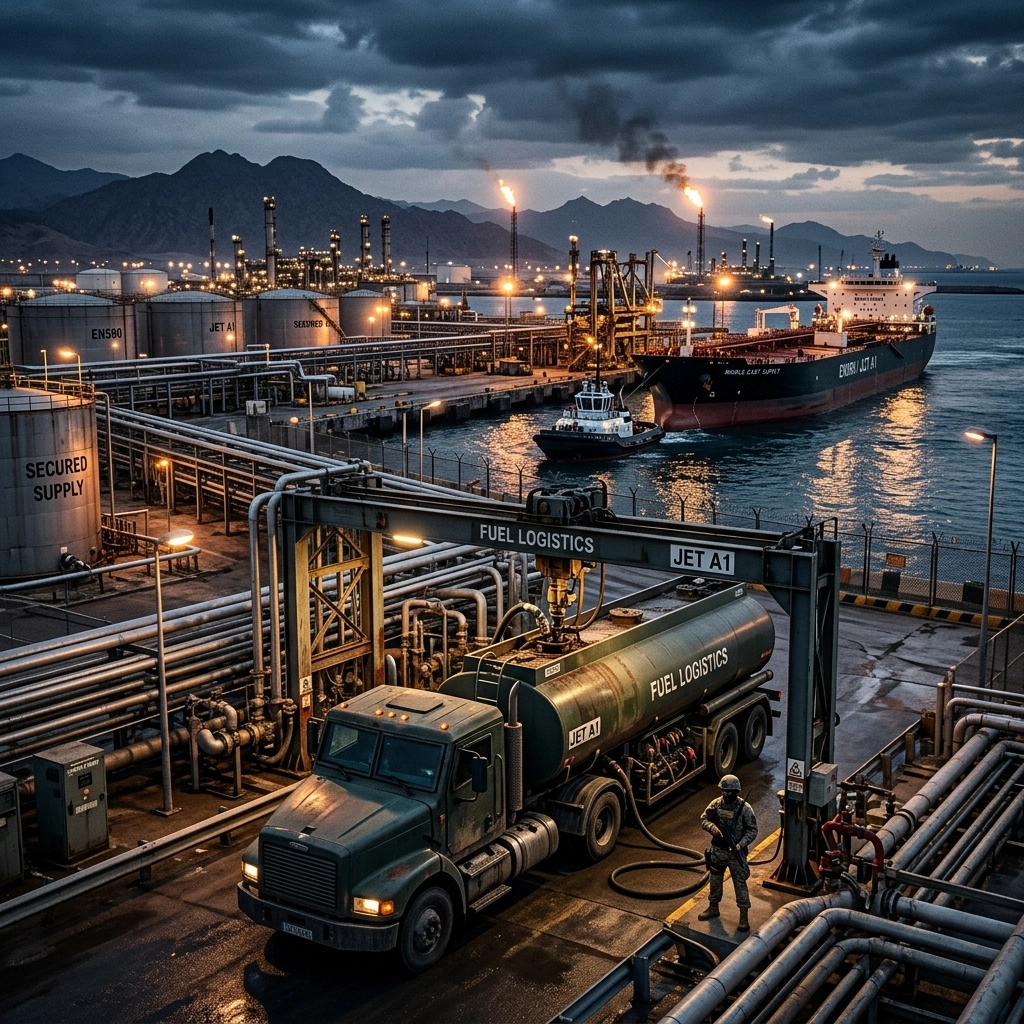
In the current geopolitical climate of April 2026, the global energy sector is navigating one of its most turbulent periods in recent history. With ongoing conflict involving Iran and heightening regional instability, the traditional flow of refined petroleum products through the Strait of Hormuz and the Suez Canal has faced unprecedented disruption. For the modern fuel buyer, the priority has shifted from simple price discovery to a desperate search for energy resilience and guaranteed delivery.
Securing high-demand distillates like EN590 10ppm Diesel, Jet Fuel A1, and D6 Virgin Fuel Oil is no longer a matter of checking the daily Platts index. It requires a sophisticated understanding of global logistics, a vetted network of non-sanctioned refineries, and a partner who can bypass regional chokepoints without compromising on compliance. At Van Dyke Energy, we have optimized our supply chain to ensure that our clients remain operational while the rest of the market struggles with "Force Majeure" declarations.
The Reality of the Iran Conflict and Market Volatility
The escalation of hostilities in Iran has created a "risk premium" that is currently baked into every barrel of oil and every metric ton of refined product. The primary concern for the energy market isn't just the price: it is the physical availability of product and the safety of the vessels transporting it. When regional tensions flare, insurance premiums for tankers (War Risk Insurance) skyrocket, and many traditional shipping lanes become effectively impassable for risk-averse carriers.
This instability has a direct impact on:
- Supply Consistency: Refineries in the direct vicinity of the conflict often face operational slowdowns or export bans.
- Logistics Bottlenecks: The threat of blockades in the Strait of Hormuz forces vessels to take longer, more expensive routes, such as navigating around the Cape of Good Hope.
- Regulatory Scrutiny: Increased sanctions on Iranian-linked entities mean that buyers must be hyper-vigilant. Unwittingly engaging with sanctioned vs non-sanctioned refineries can lead to severe legal repercussions and financial seizure.
For organizations relying on a steady stream of Jet Fuel A1 for aviation fleets or EN590 for industrial logistics, these disruptions are not just headlines: they are threats to business continuity.

Strategic Diversification: Sourcing Outside the Conflict Zone
To maintain energy resilience, fuel buyers must diversify their sourcing strategies. Relying on a single geographical region for energy is a relic of a more stable era. In 2026, the most successful procurement officers are looking toward European hubs, North American refineries, and emerging Asian markets that are insulated from Middle Eastern volatility.
At Van Dyke Energy, we leverage a global network that prioritizes supply security. We focus on:
- Vetted Refineries: Every source in our network undergoes rigorous due diligence to ensure compliance with international law and trade sanctions.
- Geographical Agility: If one corridor closes, we have the infrastructure to source and ship from alternative regions, including the Baltic export channels and US-based refineries.
- Product Quality: Despite the chaos, there is no room for compromise on specifications. Whether it is the low-sulfur requirements of EN590 or the strict flashpoint standards for Jet Fuel A1, our inspection protocols (SGS/Saybolt) remain ironclad.
Navigating Logistics Amidst Regional Instability
Logistics expertise is the thin line between a successful delivery and a stranded cargo. When the Red Sea becomes a "no-go" zone, the ability to pivot to alternative maritime routes is essential. Van Dyke Energy specializes in complex logistics, ensuring that EN590 and Jet Fuel A1 reach their destinations despite regional instability.
Moving refined fuels worldwide requires more than just a ship; it requires a deep understanding of:
- Alternative Shipping Routes: Utilizing Mediterranean-Atlantic corridors and avoiding vulnerable chokepoints.
- Storage and Tank Farm Access: Securing storage in stable hubs like Rotterdam, Houston, or Jurong provides a "buffer" that protects buyers from sudden supply shocks.
- Freight Rate Management: During times of tension, freight rates are volatile. We use strategic partnerships to lock in transport costs, preventing price gouging.

Compliance and Vetting: Avoiding the "Urgency Trap"
One of the greatest risks during a period of scarcity is the "urgency trap." When supplies are tight, scammers and unethical brokers flood the market with fake offers of "ready-to-lift" fuel at below-market prices. They prey on the desperation caused by the Iran conflict.
Red Flags for Fuel Buyers in 2026:
- Unrealistic Pricing: If the offer is significantly lower than the current Platts global index, it is likely a scam or involves sanctioned product.
- Insecure Proof of Product (POP): Be wary of sellers who cannot provide verifiable POP or who demand upfront payments before standard procedures (like the ICPO and SBLC) are established.
- Lack of Banking Transparency: Transactions should involve Top 50 Global Banks. If a seller insists on using obscure, third-tier financial institutions, walk away. Understanding why Top 50 global banks matter in fuel trade is critical for your financial security.
At Van Dyke Energy, our compliance managers work around the clock to review every contract and verify every document. We operate with total transparency, ensuring that every transaction is compliant with international regulations and that the fuel is fully traceable.

The Importance of the Fuel Buyer RFP Process
In a volatile market, a structured approach is your best defense. We encourage our clients to use a formal Fuel Buyer RFP (Request for Proposal) process. This ensures that all requirements: from sulfur content in EN590 to delivery windows for Jet Fuel A1: are clearly defined and that only qualified, vetted suppliers are considered.
A formal RFP process allows for:
- Comparative Analysis: Evaluate multiple legitimate offers based on reliability and logistics capability rather than just price.
- Risk Mitigation: Ensure that the seller can meet the specific compliance standards of your jurisdiction.
- Long-term Stability: Move away from "spot" deals toward long-term contracts that provide price protection and guaranteed supply volumes.
For more information on streamlining your procurement, you can visit our buyers' section or review our guide on common diesel procurement mistakes.
Why Van Dyke Energy is Your Partner for Energy Resilience
Van Dyke Energy isn't just a supplier; we are a logistics and compliance powerhouse. Our ability to move D6, EN590, and Jet Fuel A1 worldwide during the 2026 Middle East tensions stems from our commitment to reliability and our vetted global network.
We understand that in the energy sector, trust is the ultimate currency. When regional conflicts threaten to shut down industries, we provide the steady hand and the logistical backbone required to keep the lights on and the planes flying. Our team is equipped with the latest market data and a robust network of refineries that operate outside the zone of conflict, ensuring that your supply chain remains unbroken.

Authoritative Conclusion
The tensions in the Middle East are a stark reminder that the global fuel market is fragile. However, with the right strategy: focusing on diversification, rigorous compliance, and advanced logistics: fuel buyers can navigate these challenges successfully. Do not leave your energy security to chance or to the whims of regional instability. Partner with an organization that has the expertise to secure your supply regardless of the geopolitical weather.
For those looking to secure their next allocation of refined products, the time to act is now. Review our FAQ for more details on our procedures or contact us directly to discuss your specific fuel requirements.
Mark Van Dyke
Sales Director, VanDykeEnergy.com
Reliability Powered by Trust.